Fragments of Fortaleza is a painting about place—specifically Fortaleza, Brazil, where the artist lived and worked for two years. Created while he was there, the painting doesn’t attempt to map a city or illustrate a setting. Instead, it gathers the impressions that rose up during daily life: the marks a place leaves on one’s attention as it’s being lived.
Working on the rural outskirts—the threshold the city never fully absorbs—the artist moved among the workers of the semi-arid Ceará. Many of the images embedded in the canvas come directly from that environment: the profile of Christ set above a scrap of low-value currency; a clay pot like those used to cook feijoada over open flame; the head of a young bull formed from the patterned textiles sold by women in the local markets.
These elements drift through vertical towers of white, laced paint that climb the muddy brown ground like water threading through cracked earth. They read less as symbols than as residues—fragments of lived experience, lifted straight from the artist’s surroundings.
“Fortaleza” means both “fortress” and “fortitude,” a dual resonance that quietly shapes the composition. The painted fragments act as small protections, talismans against erasure, holding the textures, labor, and rugged beauty of the Northeastern countryside at the very moment they were being encountered.
Fragments of Fortaleza is a painting about place—specifically Fortaleza, Brazil, where the artist lived and worked for two years. Created while he was there, the painting doesn’t attempt to map a city or illustrate a setting. Instead, it gathers the impressions that rose up during daily life: the marks a place leaves on one’s attention as it’s being lived.
Working on the rural outskirts—the threshold the city never fully absorbs—the artist moved among the workers of the semi-arid Ceará. Many of the images embedded in the canvas come directly from that environment: the profile of Christ set above a scrap of low-value currency; a clay pot like those used to cook feijoada over open flame; the head of a young bull formed from the patterned textiles sold by women in the local markets.
These elements drift through vertical towers of white, laced paint that climb the muddy brown ground like water threading through cracked earth. They read less as symbols than as residues—fragments of lived experience, lifted straight from the artist’s surroundings.
“Fortaleza” means both “fortress” and “fortitude,” a dual resonance that quietly shapes the composition. The painted fragments act as small protections, talismans against erasure, holding the textures, labor, and rugged beauty of the Northeastern countryside at the very moment they were being encountered.
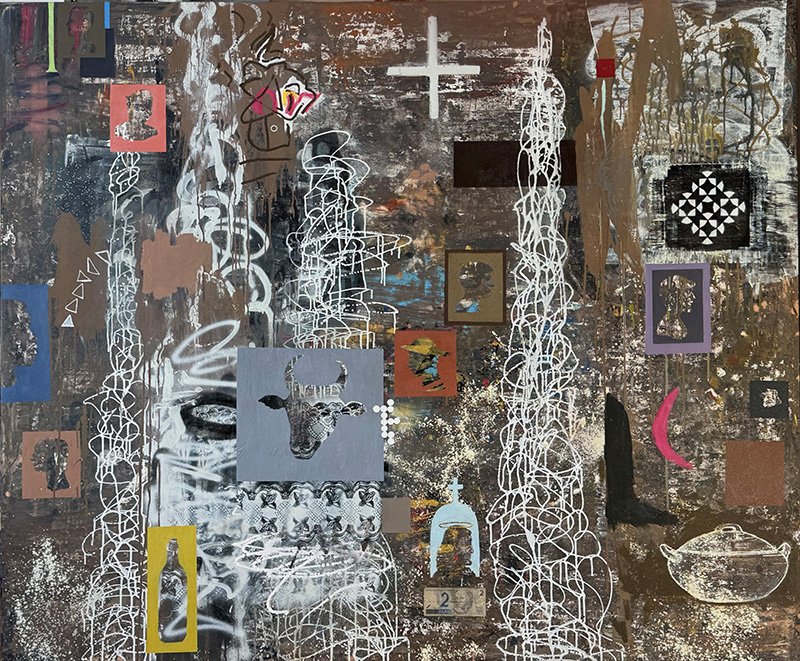 Image 1 of 11
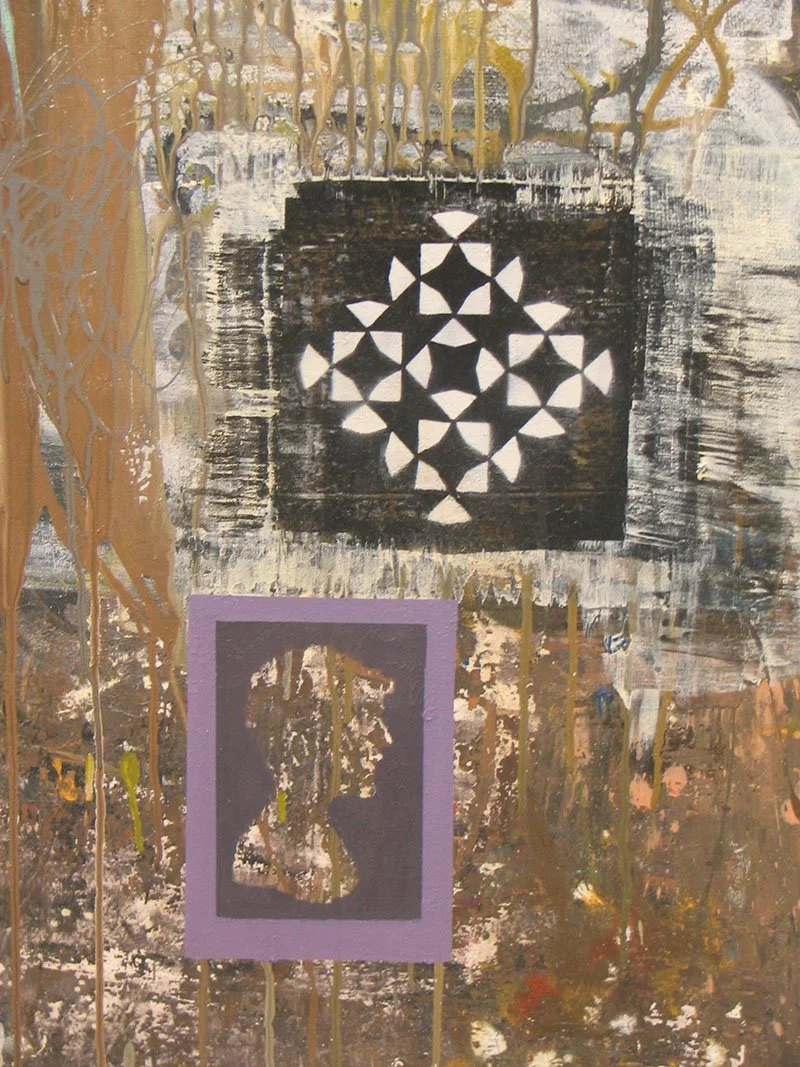 Image 2 of 11
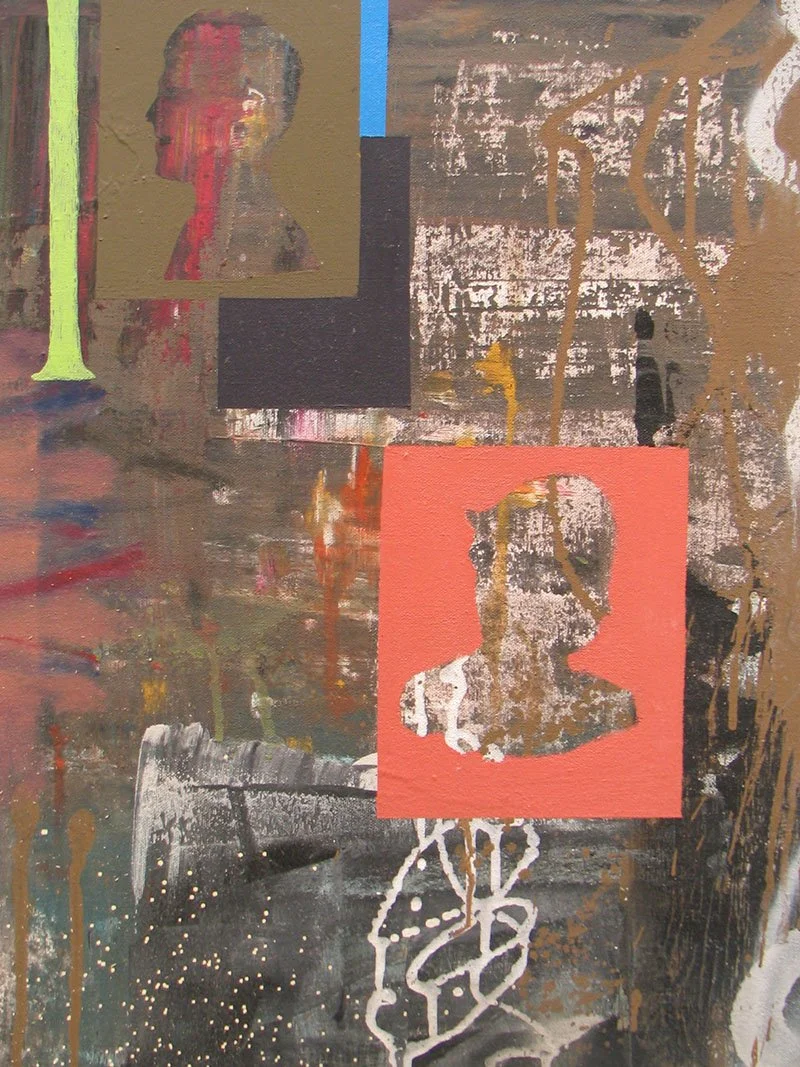 Image 3 of 11
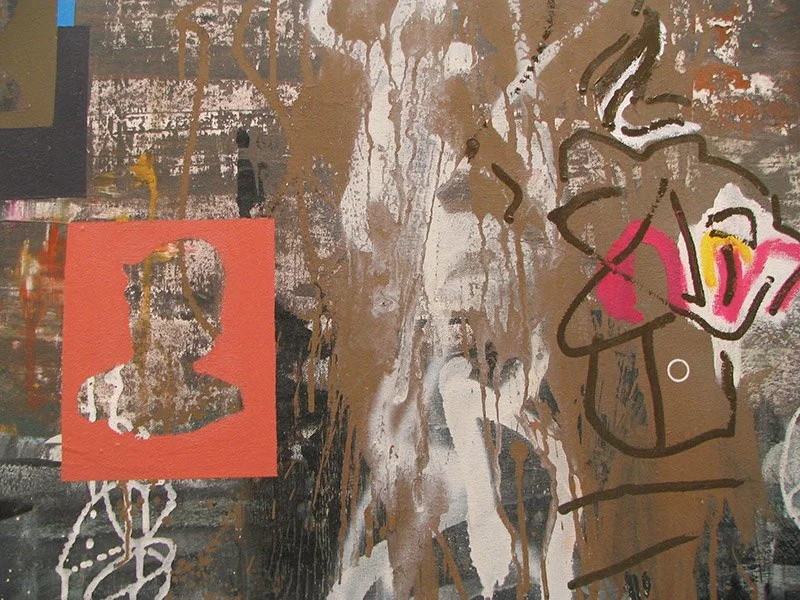 Image 4 of 11
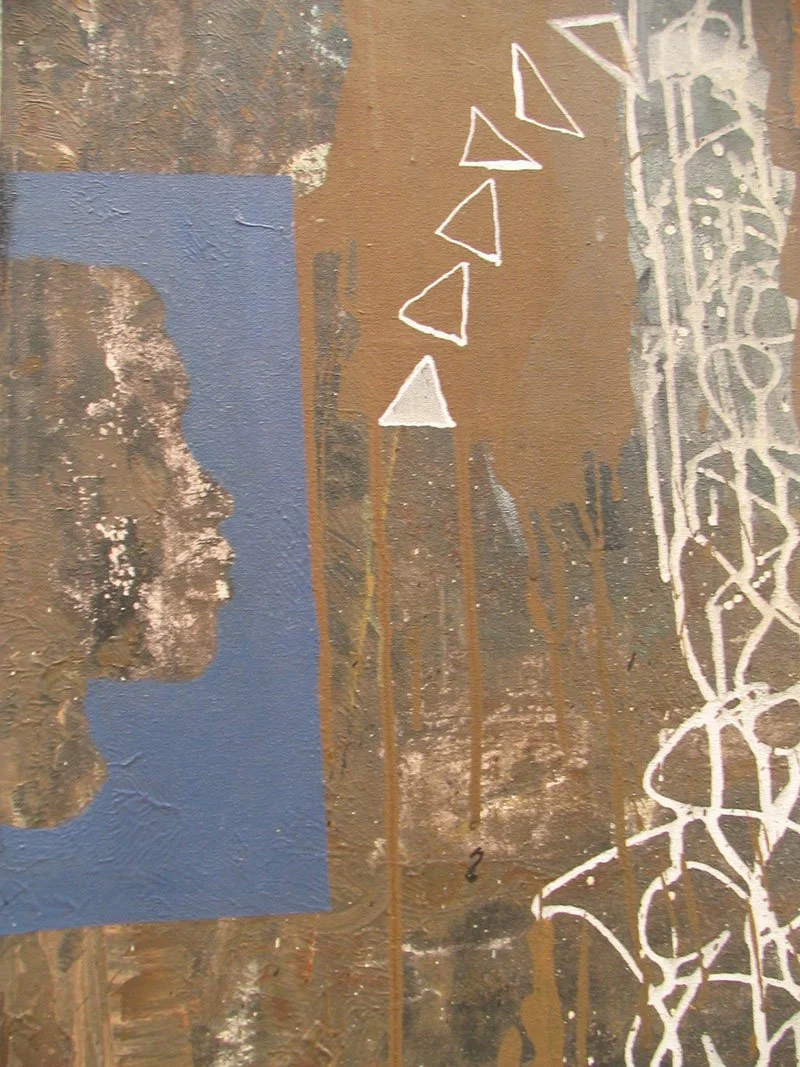 Image 5 of 11
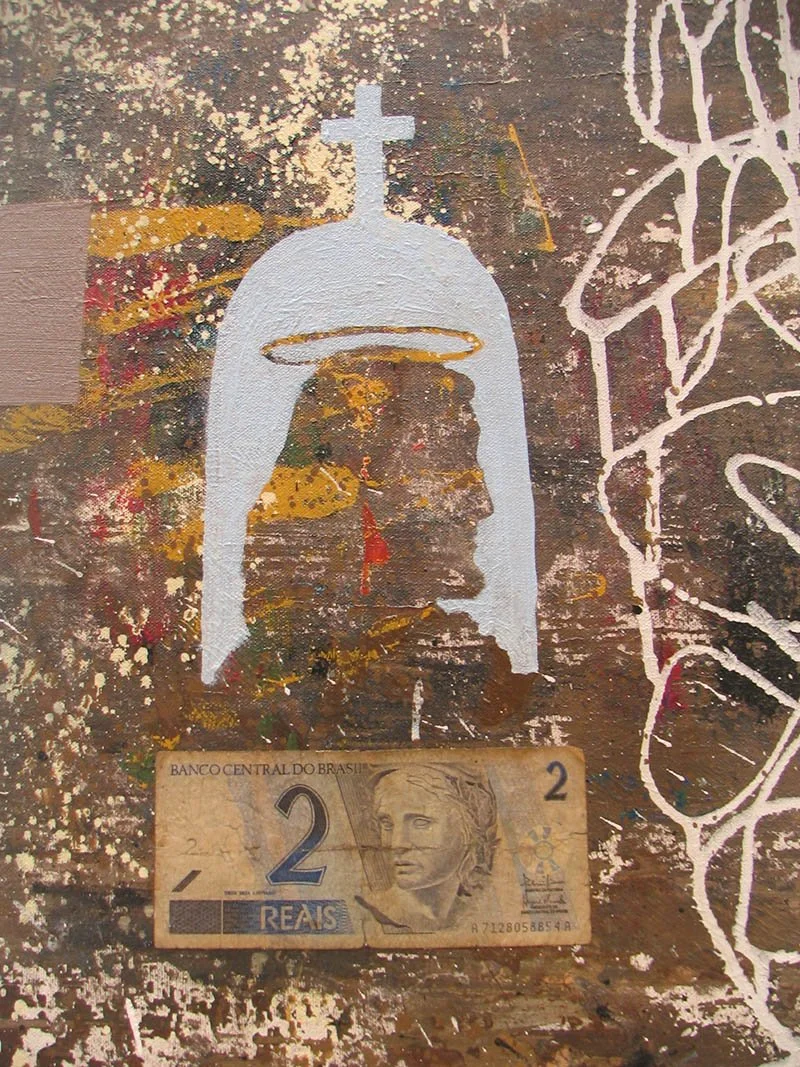 Image 6 of 11
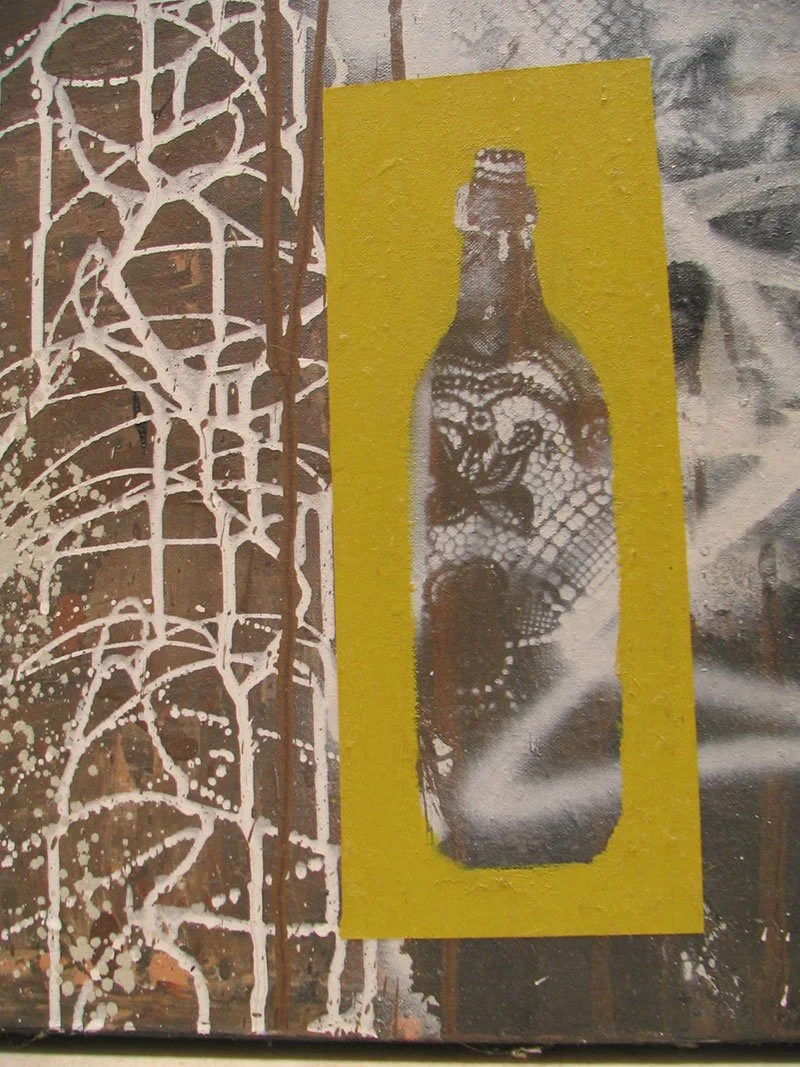 Image 7 of 11
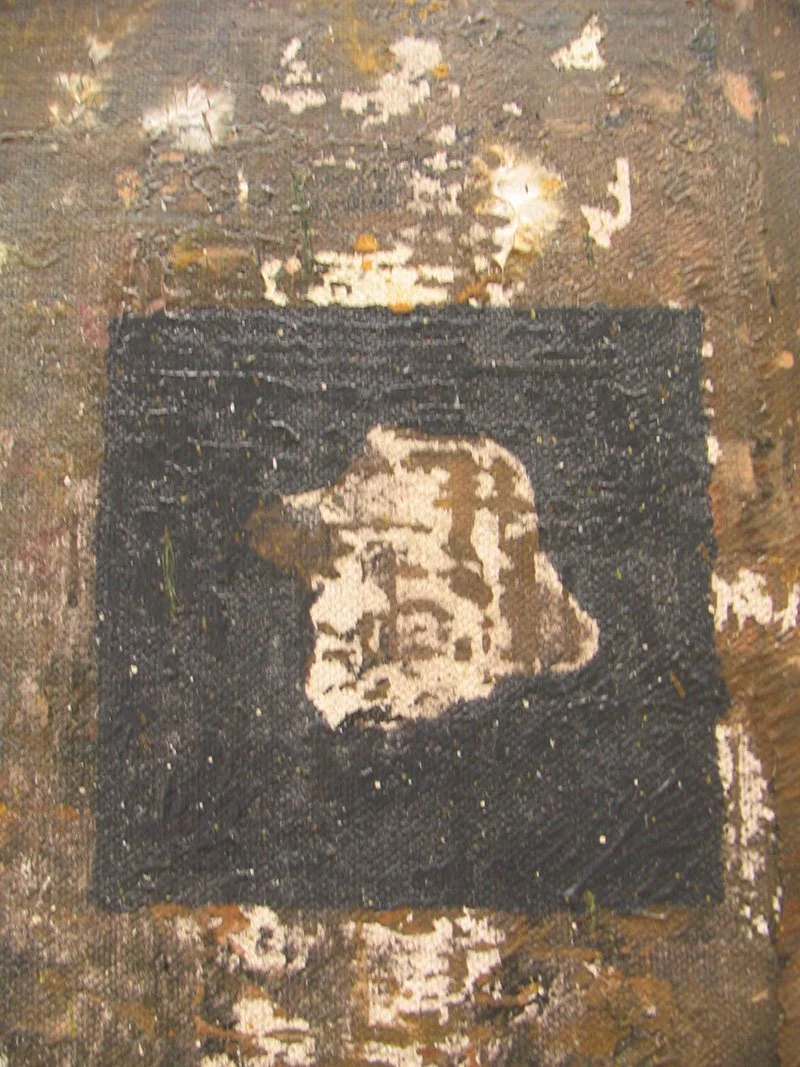 Image 8 of 11
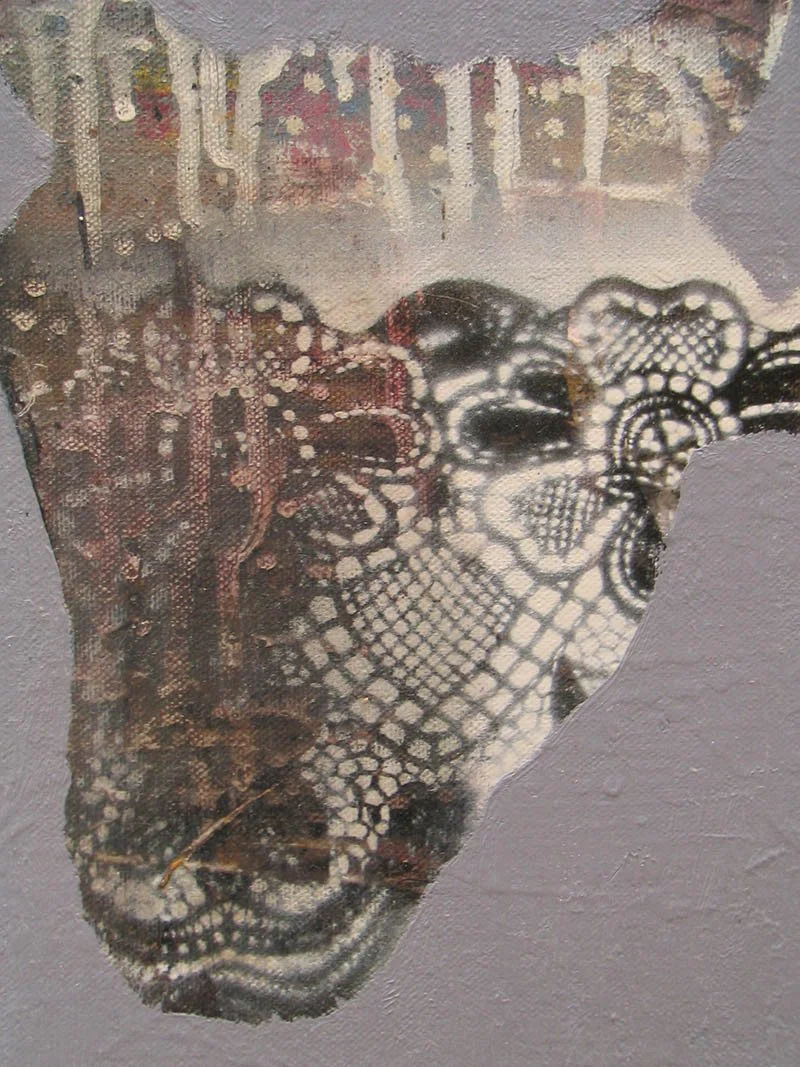 Image 9 of 11
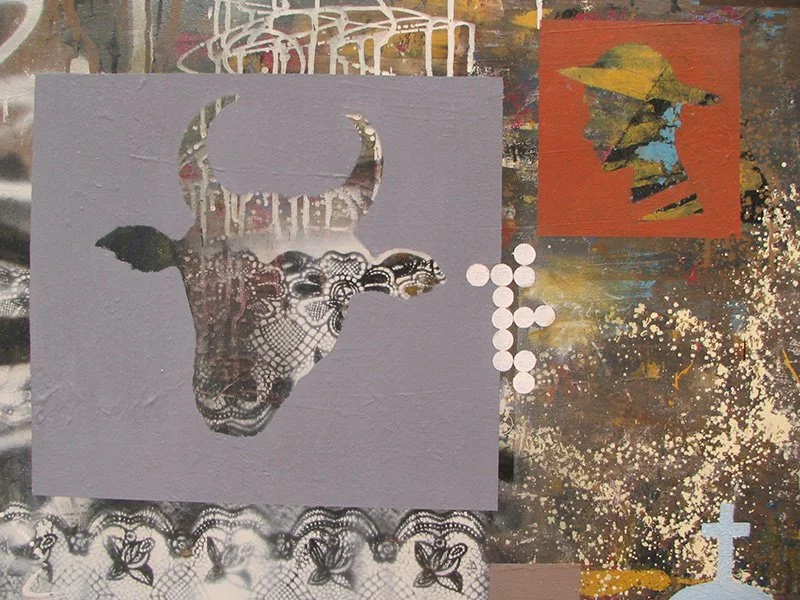 Image 10 of 11
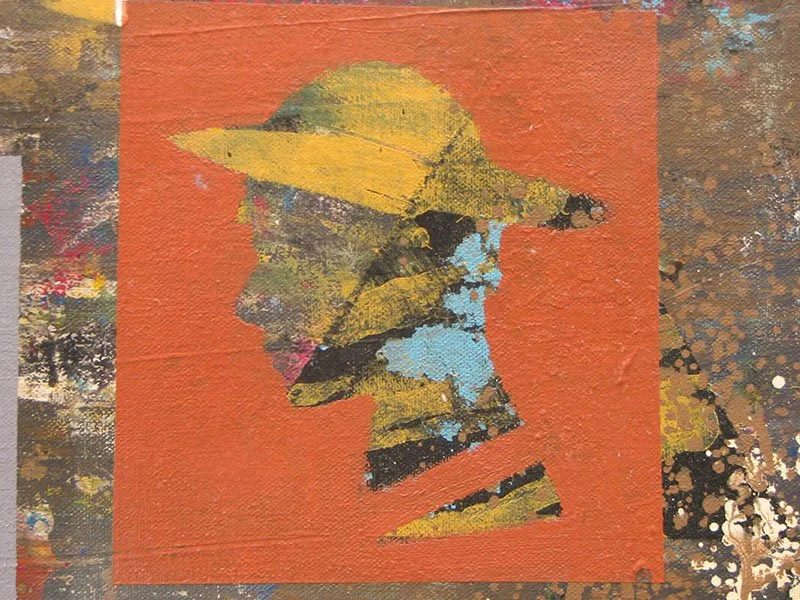 Image 11 of 11